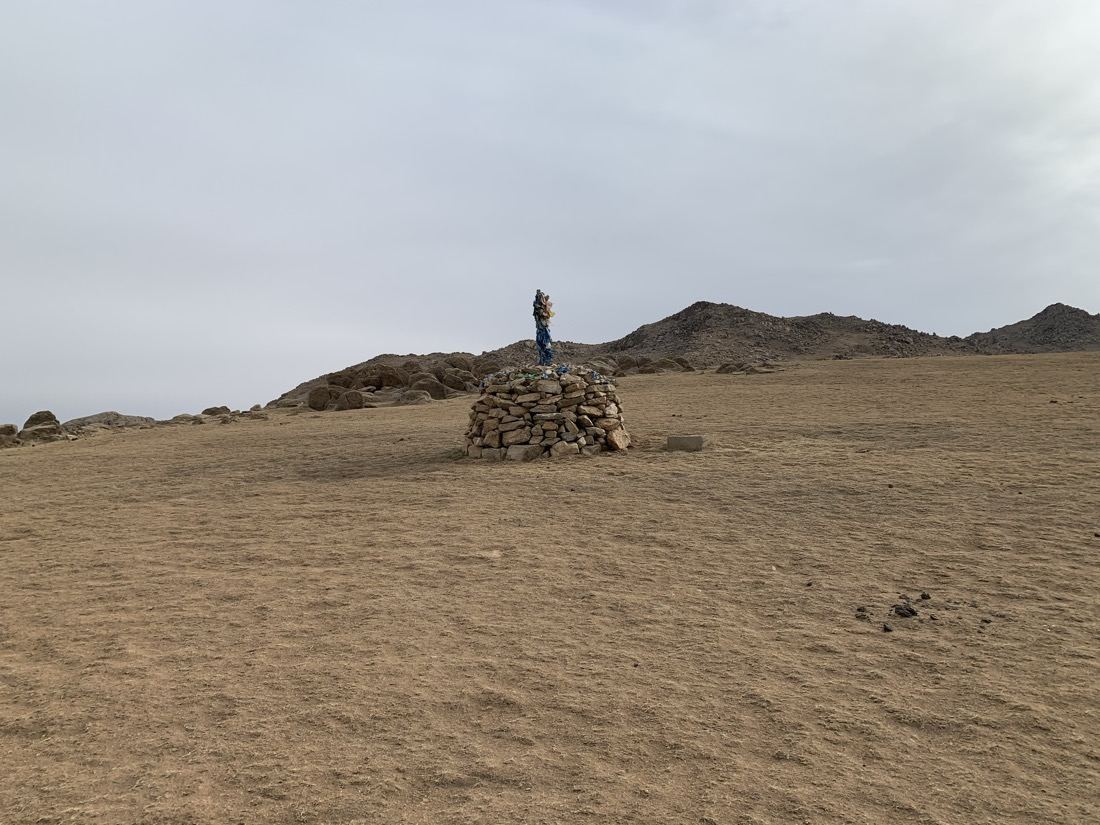
Wildlife & Wild Places · Central Mongolia and the Eastern Gobi

Takhi, Argali and the Desert Steppe

Two protected areas, two very different landscapes, and the two species that best explain what conservation in Mongolia has actually achieved.

Duration8 days / 7 nights
Best seasonMay–October
GroupMaximum 6 guests
ActivityGentle to moderate
PriceOn request

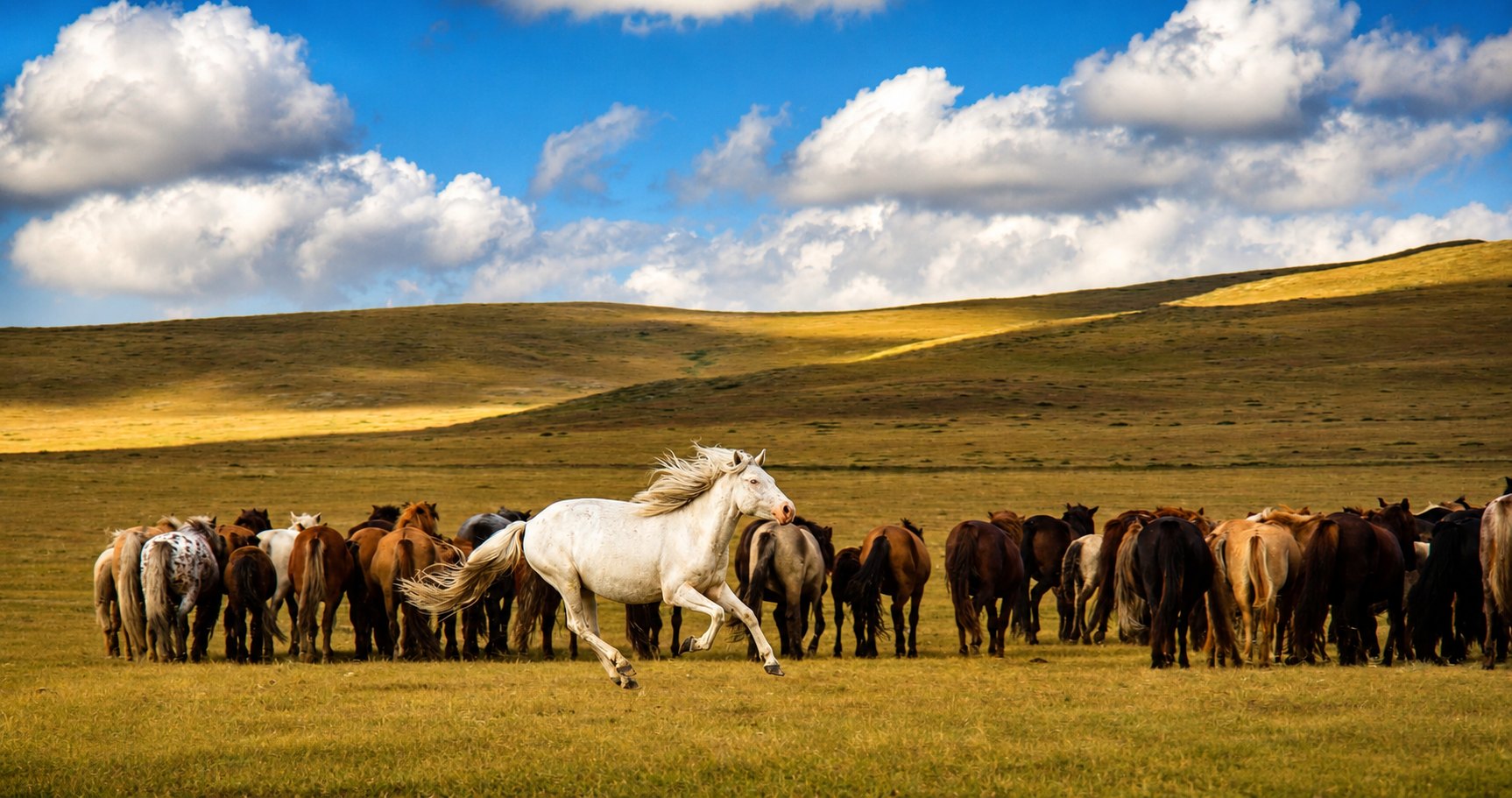
The takhi is the only horse never to have been domesticated, and it was extinct in the wild within living memory. It is back on Mongolian grassland because of a reintroduction that began in 1992 and is still being managed today.

This journey pairs that story with Ikh Nart, a community-managed reserve in the eastern Gobi where argali, ibex and cinereous vultures share the ground with the herding families who have grazed it for generations. Both places are working conservation landscapes rather than exhibits, which is exactly why they are worth the drive.

Journey overview

A short, unhurried wildlife journey built around dawn and dusk, when the animals move and the light is worth the early start.

Why this journey

The two most reliable large-mammal viewing areas in accessible Mongolia, visited at the right hours and with the people who study them.

Accommodation

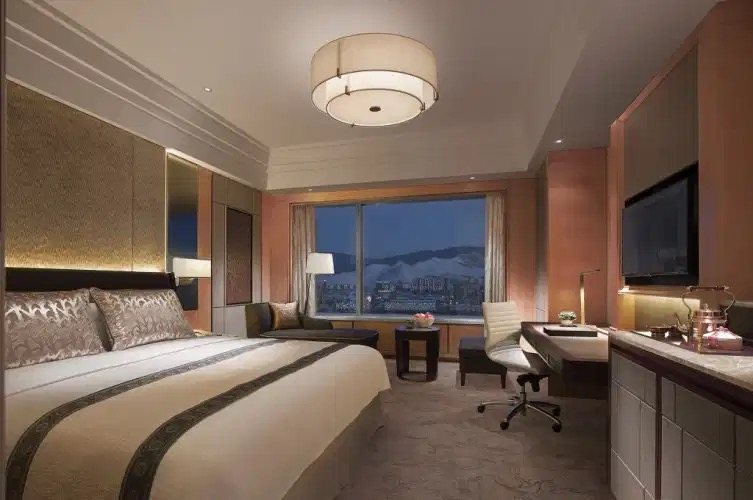
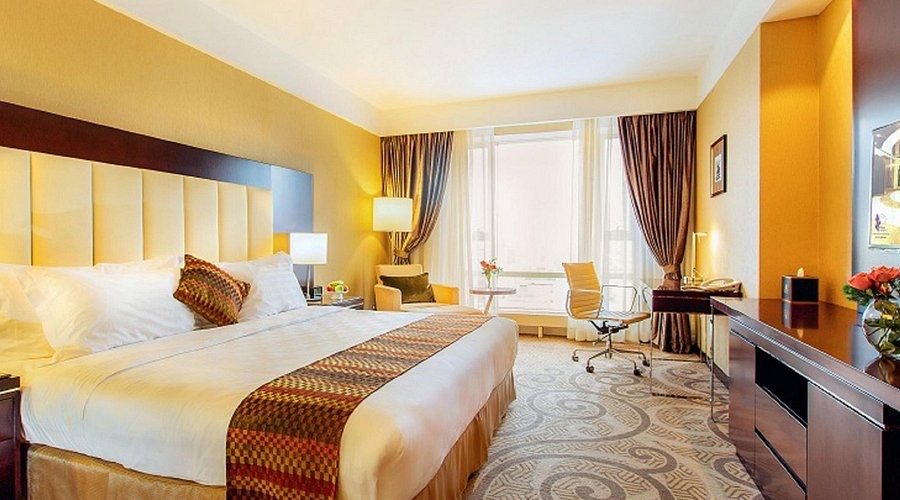
Shangri-La or Best Western Premier and ger camps inside or beside the protected areas

Best suited to

Travellers with a genuine interest in wildlife and conservation, comfortable with early starts, patient with a scope and unbothered by the possibility of seeing nothing.

Itinerary

Day1

Arrival in Ulaanbaatar

Met at Chinggis Khaan International and transferred into the city. An afternoon briefing covers the route, the reserves, viewing distances and what the week can and cannot promise. If time allows, the Natural History collections are a useful hour before heading out of the city.

Overnight: Shangri-La or Best Western Premier
More about this day
Position
Day 1 of 8
Where you sleep
Shangri-La or Best Western Premier
Today
You arrive and settle in at the Shangri-La or Best Western Premier.
Day2

West to Hustai National Park

A short drive of roughly 100 kilometres on sealed road, so the day starts gently. Afternoon at the park visitor centre and the reintroduction archive, then out along the Tuul valley for the first evening watch. Takhi spend the heat of the day high in the hills and come down towards water as the light drops.

Based here nights 2–3 · Hustai ger camp
More about this day
Position
Day 2 of 8
Where you sleep
Hustai ger camp
Which night
First of 2 consecutive nights here
Today
You move on to Hustai ger camp.
Ger camps
Permanent seasonal camps with beds, bedding and a wood or dung stove. Facilities vary by region: the better camps have private shower blocks and reliable hot water, remote ones have neither. We will tell you which is which before you book.
Day3

Hustai: dawn and dusk

The two ends of the day are spent with the horses and the hours between them elsewhere: red deer in the birch draws, marmot colonies, steppe raptors overhead, and Bronze Age deer stones and Turkic-period graves scattered through the same valleys. Approaching the takhi on foot is prohibited and we do not attempt it.

Same base
More about this day
Position
Day 3 of 8
Where you sleep
Hustai ger camp
Which night
Second of 2 consecutive nights here
Today
You stay put; no bags to move.
Ger camps
Permanent seasonal camps with beds, bedding and a wood or dung stove. Facilities vary by region: the better camps have private shower blocks and reliable hot water, remote ones have neither. We will tell you which is which before you book.
Day4

Hustai to Baga Gazriin Chuluu

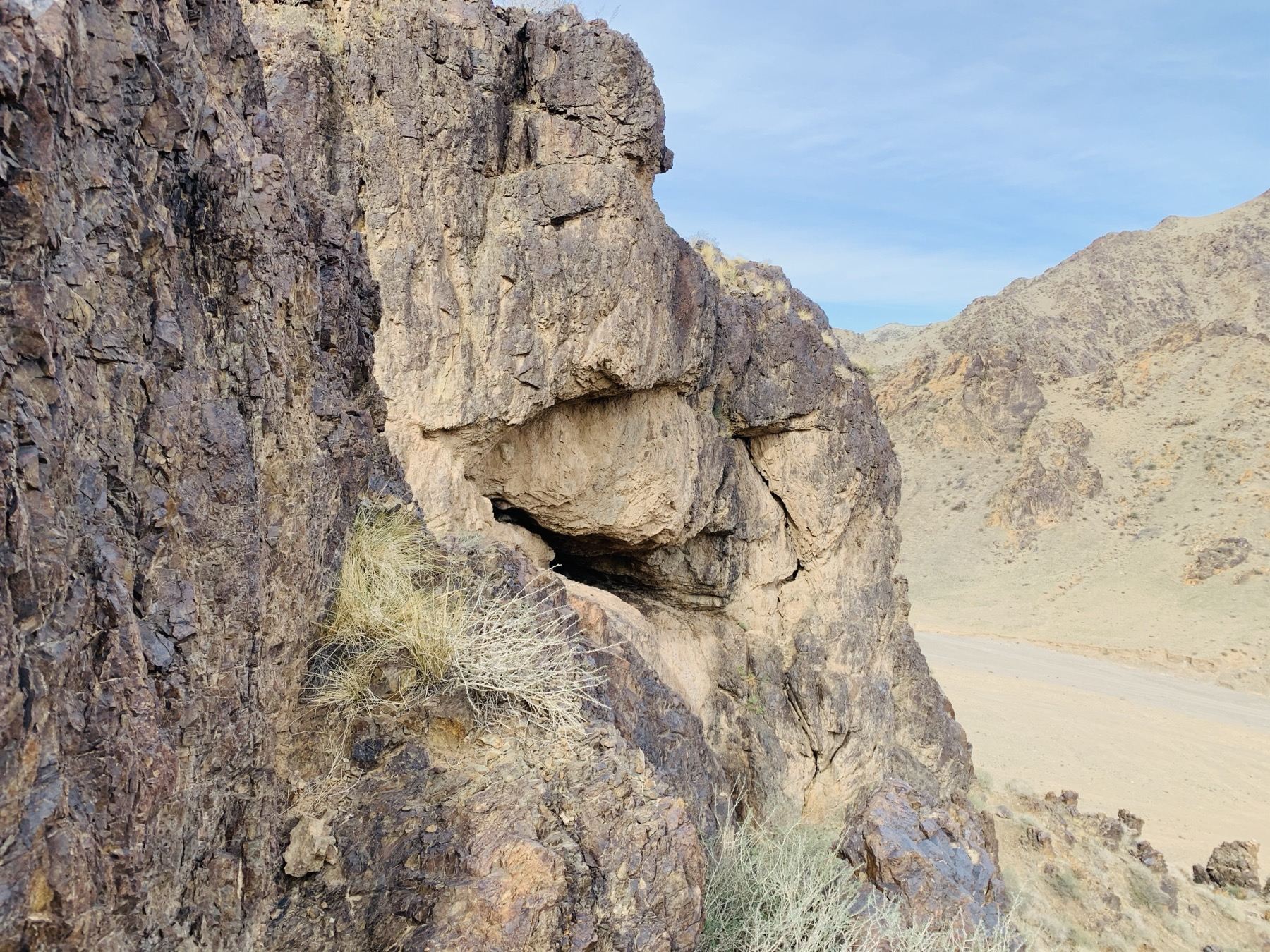
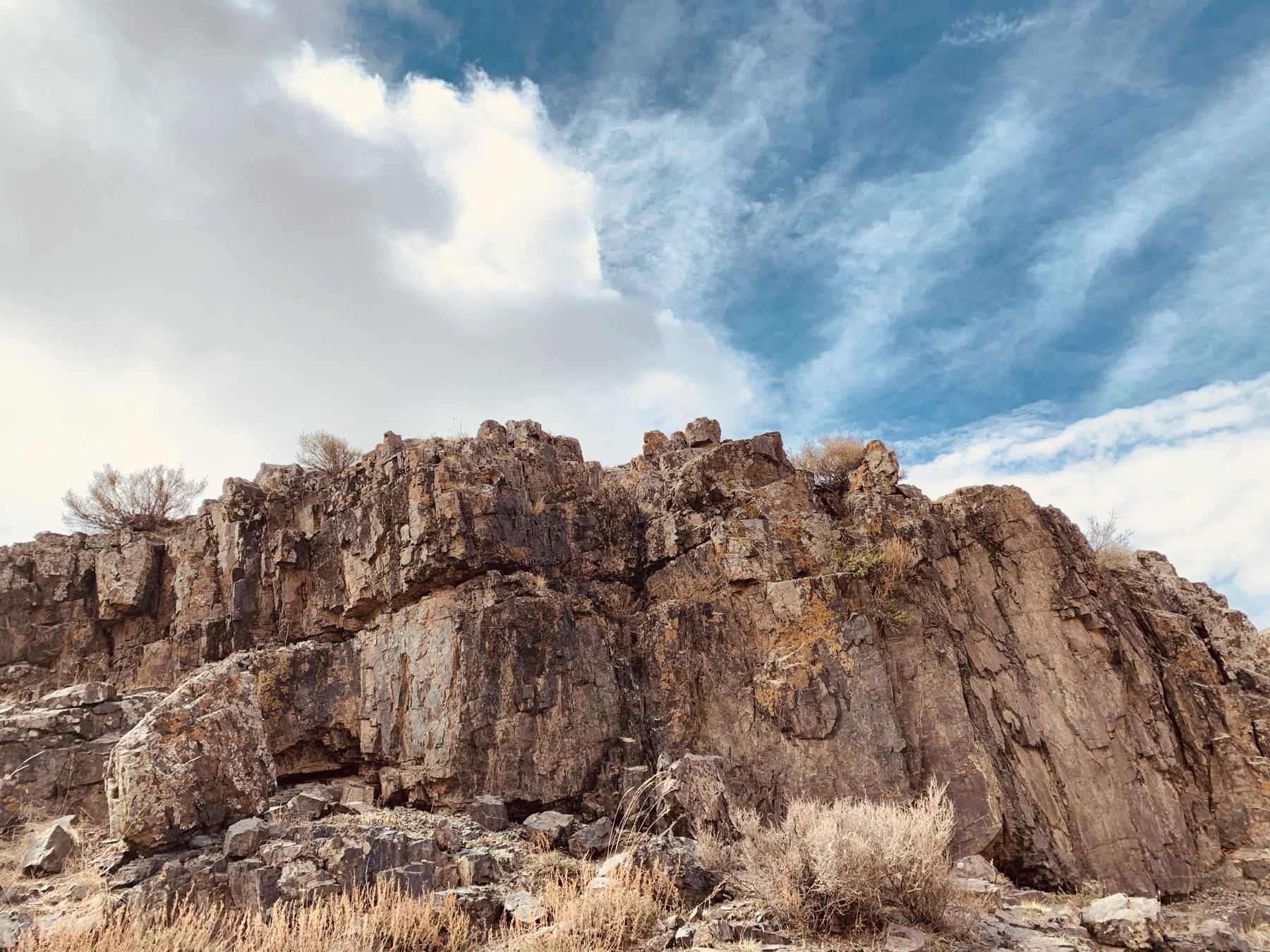
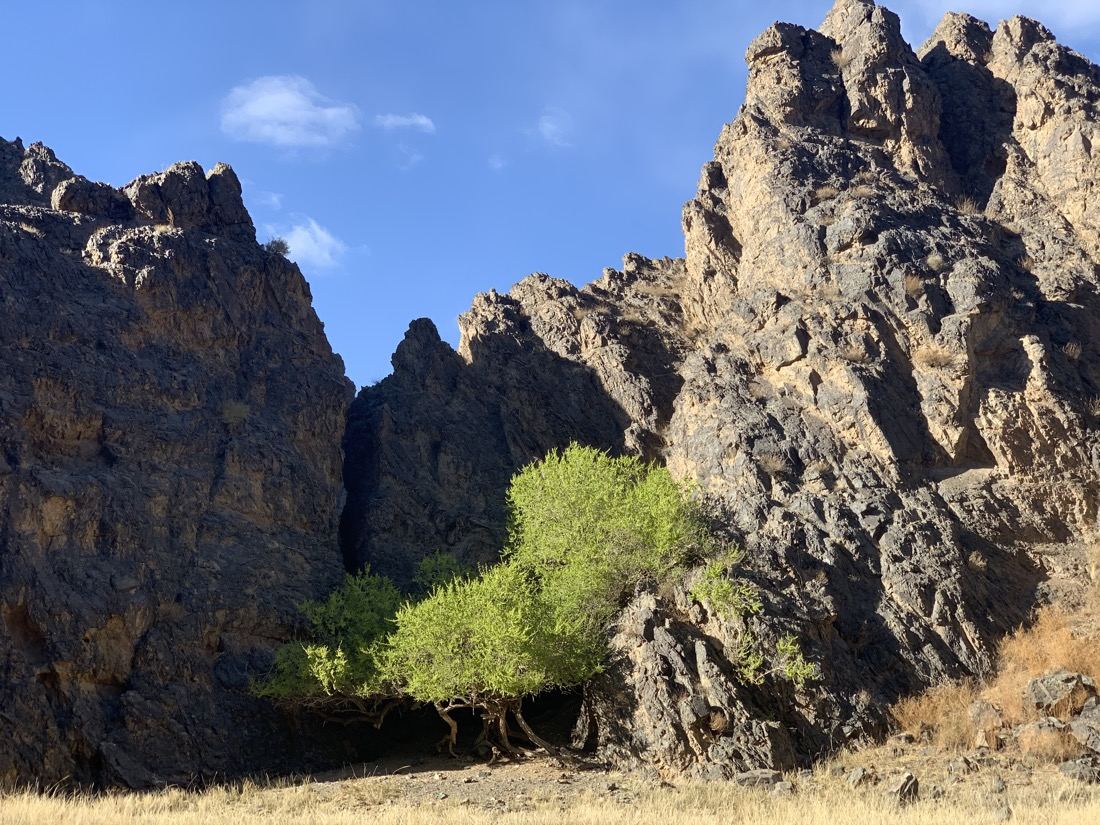
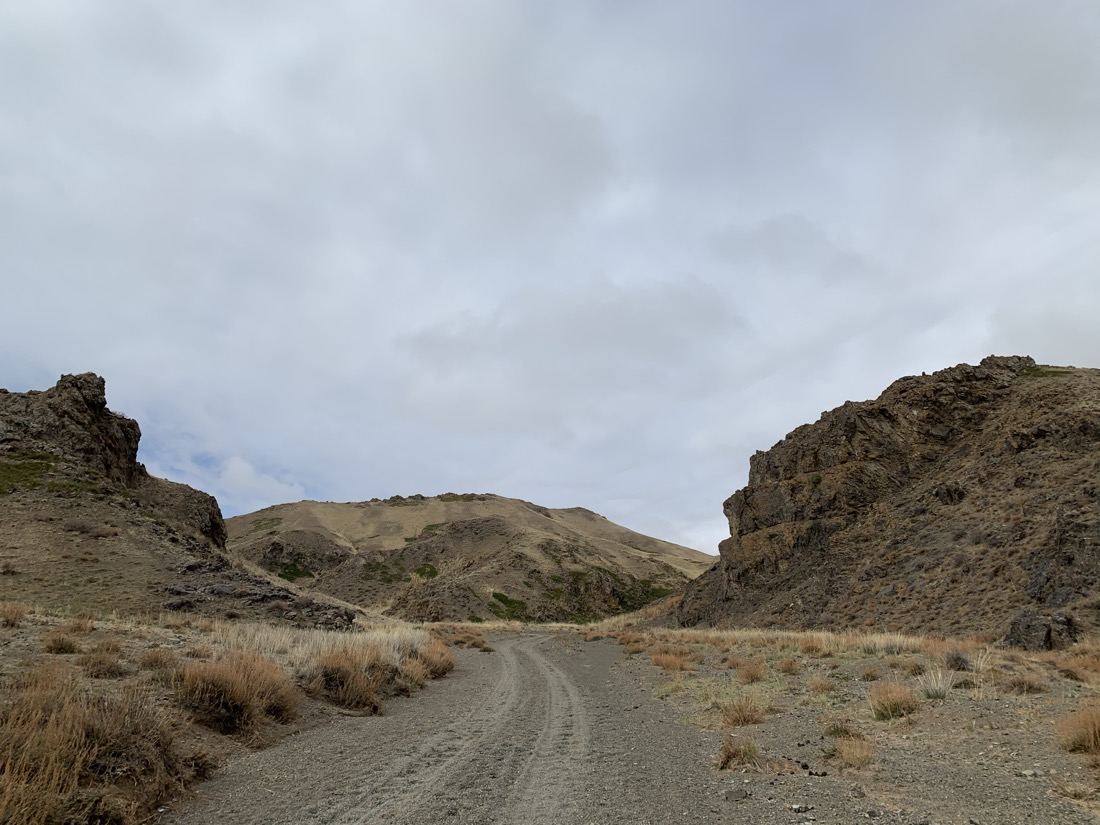
South into Dundgovi and into granite country — a landscape of weathered outcrops, hidden springs and the ruins of a Buddhist monastery in a sheltered valley. Argali and ibex use these rocks, and the scrambling here is the best preparation for Ikh Nart.

Overnight: Ger camp among the rocks
More about this day
Position
Day 4 of 8
Where you sleep
Ger camp among the rocks
Today
You move on to Ger camp among the rocks.
Ger camps
Permanent seasonal camps with beds, bedding and a wood or dung stove. Facilities vary by region: the better camps have private shower blocks and reliable hot water, remote ones have neither. We will tell you which is which before you book.
Day5

Into Ikh Nart Nature Reserve

East into Dornogovi and the reserve, arriving in time for an afternoon walk into the rock maze. Ikh Nart is not a paper park: it is jointly managed with the herding families who live inside it, and long-running research programmes on argali, ibex, small carnivores and vultures run from here.

Based here nights 5–6 · Ikh Nart ger camp
More about this day
Position
Day 5 of 8
Where you sleep
Ikh Nart ger camp
Which night
First of 2 consecutive nights here
Today
You move on to Ikh Nart ger camp.
Ger camps
Permanent seasonal camps with beds, bedding and a wood or dung stove. Facilities vary by region: the better camps have private shower blocks and reliable hot water, remote ones have neither. We will tell you which is which before you book.
Day6

A full day at Ikh Nart

On foot with a reserve ranger through the outcrops and seasonal pools. The reserve holds one of Mongolia’s strongest argali populations along with Siberian ibex and a significant cinereous vulture breeding population. Time in the afternoon with a herding family, and with whichever researchers happen to be in camp.

Same base
More about this day
Position
Day 6 of 8
Where you sleep
Ikh Nart ger camp
Which night
Second of 2 consecutive nights here
Today
You stay put; no bags to move.
Ger camps
Permanent seasonal camps with beds, bedding and a wood or dung stove. Facilities vary by region: the better camps have private shower blocks and reliable hot water, remote ones have neither. We will tell you which is which before you book.
Day7

Choiriin Bogd and the road back

Leaving the reserve, a stop at the Choiriin Bogd hills where Buddhist figures are carved into the rock faces, and a picnic before the mostly paved run back to Ulaanbaatar. Evening free.

Overnight: Shangri-La or Best Western Premier
More about this day
Position
Day 7 of 8
Where you sleep
Shangri-La or Best Western Premier
Today
You move on to the Shangri-La or Best Western Premier.
Day8

Departure

Transfer to the airport. Later flights allow time for the Choijin Lama Temple Museum or the cashmere workshops.

Overnight: —
More about this day
Position
Day 8 of 8
Tonight
You travel home; no accommodation is booked.

Where you stay

Where you sleep is chosen for the route. Some nights are the best room for hundreds of kilometres; some are a tent beneath a sky with nothing else under it, which is its own kind of luxury.

  • Shangri-La or Best Western Premier2 nights
  • Hustai ger camp2 nights
  • Ger camp among the rocks1 night
  • Ikh Nart ger camp2 nights
The places we have named

Where this journey stays somewhere we book by name, here it is. The nights not listed here are ger camps, herder households or our own tents, described below.

Ger camps

Permanent seasonal camps with beds, bedding and a wood or dung stove. Facilities vary by region: the better camps have private shower blocks and reliable hot water, remote ones have neither. We will tell you which is which before you book.

Herder gers and homestays

Staying in a working household, sharing the family ger or a guest ger beside it. Simple, warm, and the reason most travellers remember a journey. Washing is basic and the space is shared.

Tented camp

Our own mobile camp where no fixed accommodation exists. Proper sleeping mats, a mess tent, a cook and a toilet tent. Carried in and carried out, leaving nothing.

Hotels

In Ulaanbaatar and provincial centres. City nights are booked at the standard you ask for, and we will tell you what to expect where a provincial hotel is a simpler place.

Price and inclusions

Pricing

Every journey is priced for your dates, party size and choice of accommodation, and confirmed in writing in your proposal. This is a private journey, so the vehicle, driver, guide and camp staff are the same whether two of you travel or six, and the per-person price falls as your party grows.

The price also moves with season, domestic airfares and any specialist staff your route calls for. Single travellers and anyone wanting sole occupancy should ask about the supplement.

Request a proposal →

What the price covers

Included

  • Private vehicle, driver and fuel throughout, with a support vehicle on remote routes
  • English-speaking expedition guide, and specialist guides where the journey calls for them
  • All accommodation as described in the itinerary
  • All meals shown in the itinerary, including camp catering where the route is self-supported
  • Domestic flights where the itinerary shows them
  • National park, protected area and site entrance fees
  • Community, homestay and herder household contributions
  • Drinking water, camping and cooking equipment on self-supported sections
  • Satellite communication and 24-hour operational support from Ulaanbaatar
  • Airport transfers on arrival and departure days

Not included

  • International flights to and from Ulaanbaatar
  • Visa fees and any entry requirements
  • Travel insurance, which must include emergency evacuation and repatriation and is a condition of travel
  • Personal clothing and equipment, including cold-weather gear
  • Alcoholic drinks and personal expenses
  • Optional activities and additional riding days not shown in the itinerary
  • Single occupancy supplement, where requested
  • Gratuities, which are entirely at your discretion
  • Costs arising from weather, road conditions or flight delays outside our control

Confirmed in writing at proposal stage. Anything not listed here is not assumed to be included. Booking terms →

What to pack

Warm days and cold nights, with the year’s heaviest rain falling as short afternoon storms in July. Pack for a wide daily range rather than for one temperature, and for sun on open steppe.

Conditions to pack forMay–October
Activity gradeGentle to moderate
Hire in UlaanbaatarFitted the afternoon before departure

We provide

  • Drinking water, camping and cooking equipment on self-supported sections
  • Satellite communication and 24-hour operational support from Ulaanbaatar
  • Accommodation, meals and transport as shown in the itinerary

You bring

  • Travel insurance, which must include emergency evacuation and repatriation and is a condition of travel
  • Personal clothing and equipment, including cold-weather gear
  • Personal medication, and a copy of your insurance policy

Hire the bulky, expensive items rather than buying them for one trip; bring your own base layers. Equipment hire → · What the month is like →

Before you go

Activity gradeGentle to moderate
Best seasonMay–October
Group sizeMaximum 6 guests

Planning notes

  • Wildlife sightings are never guaranteed. Both reserves hold strong populations, and both are open country where animals move.
  • Viewing happens at dawn and dusk. Expect early starts and late dinners.
  • Walking is on uneven, rocky ground at Ikh Nart and Baga Gazriin Chuluu. Sturdy boots matter more than fitness.
  • Approaching takhi on foot is prohibited inside Hustai, as is camping in the core zone. Binoculars or a scope are essential; we carry both.

A private journey can usually be moved a grade in either direction by adjusting pace and distance. How we grade a journey → · Choosing your month →

Tailor this journey.

Adjust the pace, accommodation, specialist access and regional extensions around your interests.

Plan a private itinerary

Expedition moments.

The experiences that give the route its character.

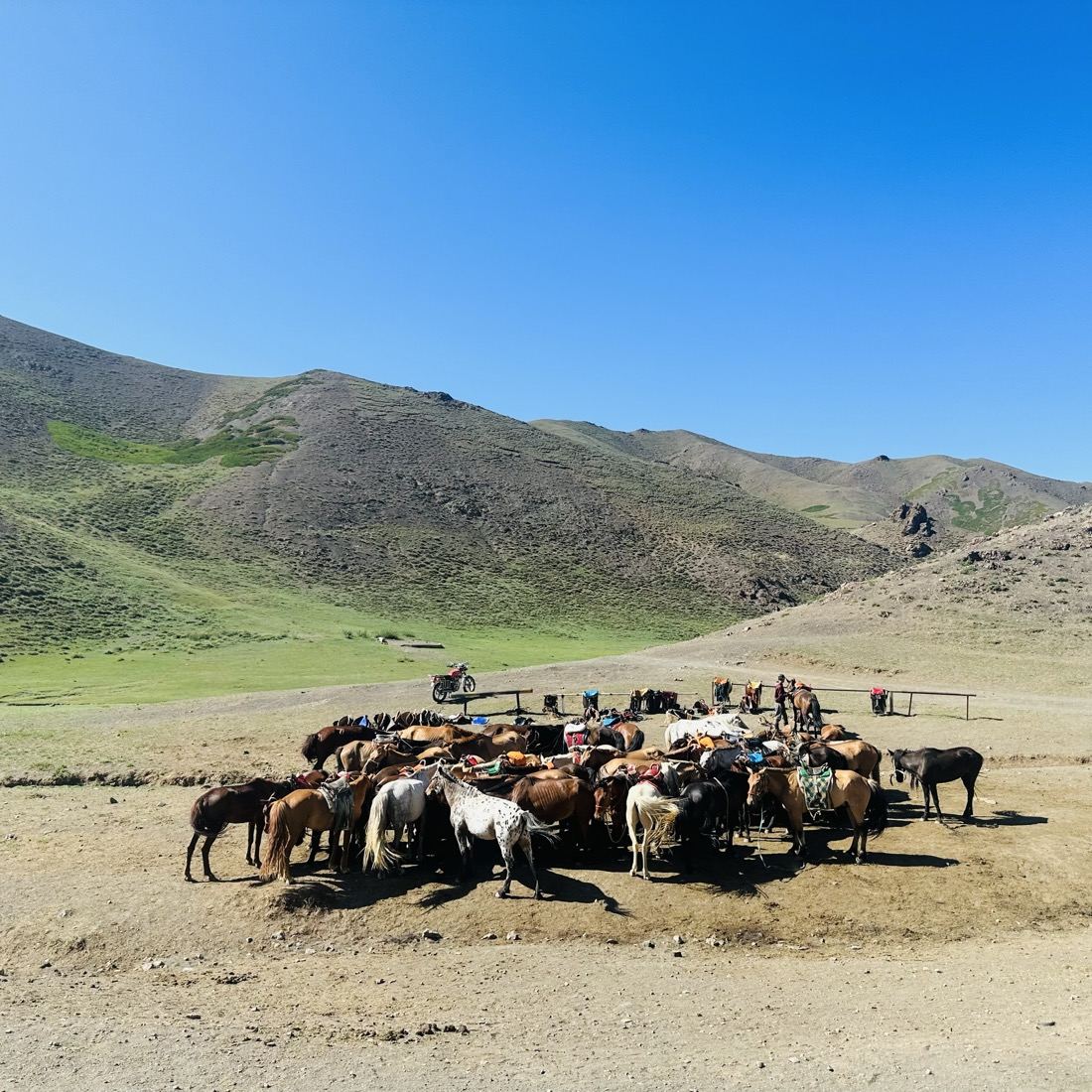
Wild horses on the steppe

Takhi coming down to water

The hour before sunset in the Tuul valley.

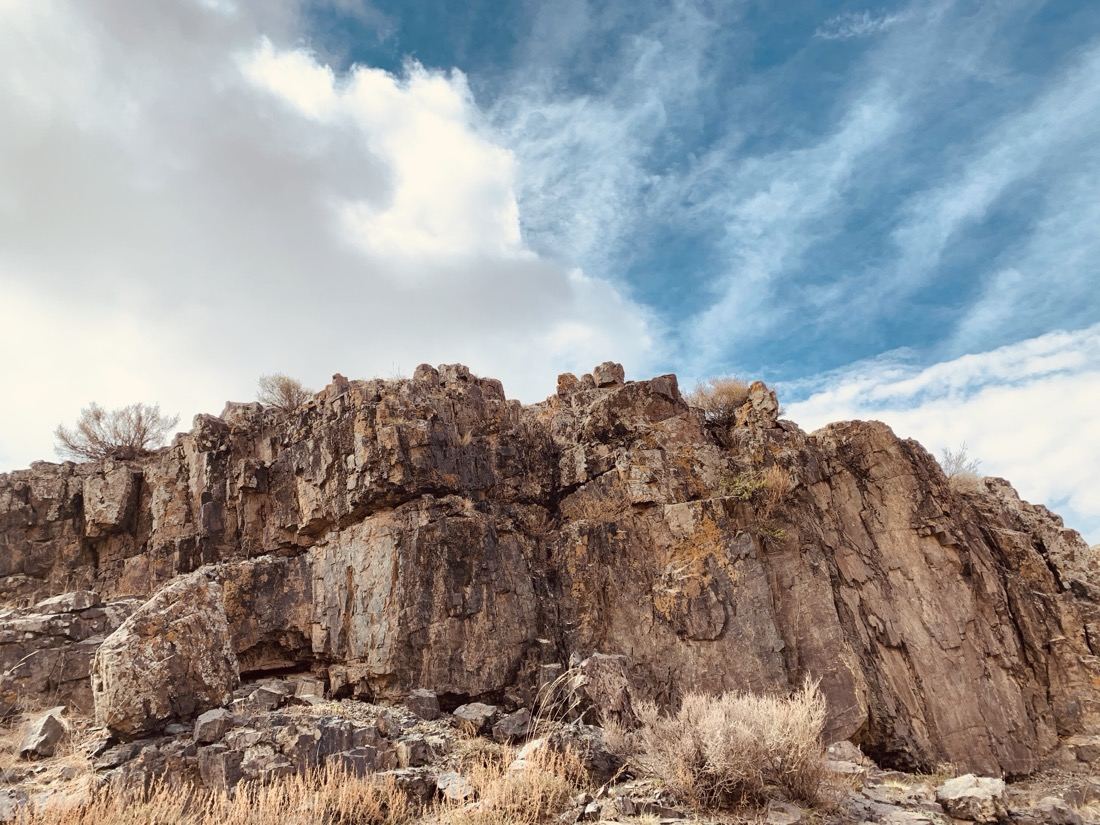
Rock outcrops of the kind argali use

Argali on the outcrops

Glassing the rock maze at Ikh Nart.

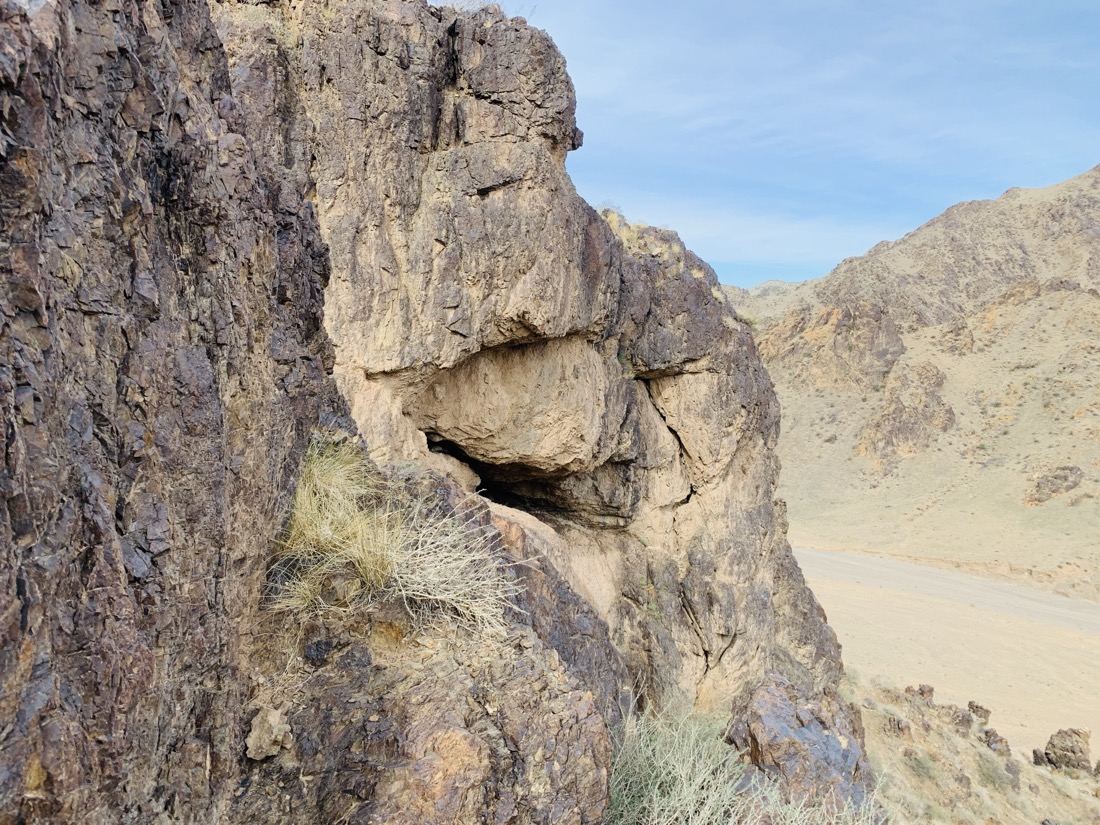
A granite outcrop of the kind Ikh Nart is made of

Camp beneath the granite

Evenings with rangers and researchers.