The Ethics of Snow Leopard Tracking
A serious snow leopard expedition is built around conservation, patience and honest expectations—not promises of a sighting.
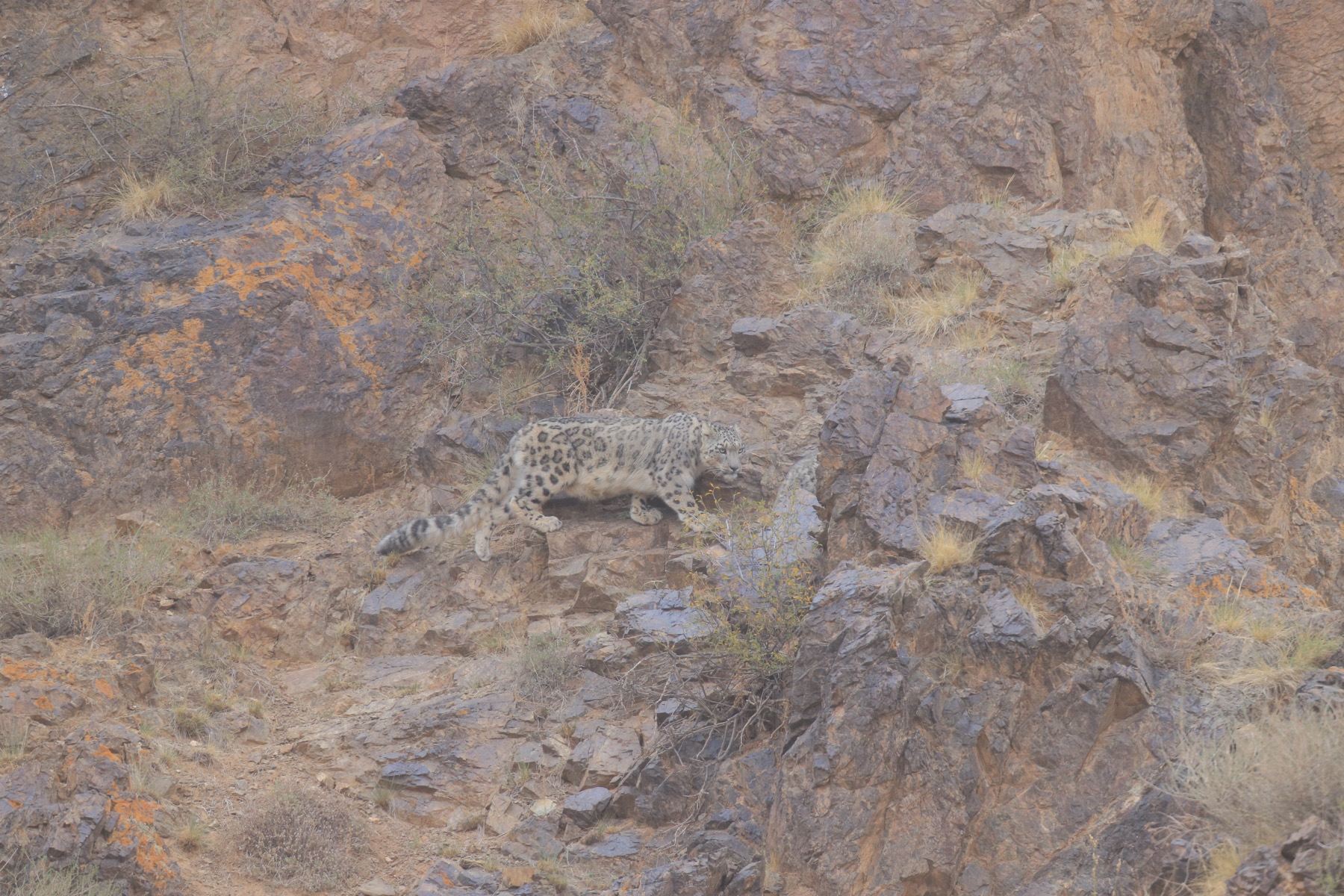
Snow leopards live across immense mountain territories and are naturally difficult to observe. Tracks, scrapes, scent markings and prey activity may provide evidence of presence even when the animal remains unseen.
No guaranteed sightings
Any operator guaranteeing a wild snow leopard sighting is setting the wrong expectation. The objective should be responsible observation, learning and support for local conservation knowledge.
Distance and disturbance
Observation points should avoid pressuring an animal, blocking movement corridors or approaching dens. Local trackers and conservation specialists determine where guests may safely and ethically position themselves.
Cold-weather reality
Tracking may involve long stationary periods, wind exposure, rough ground and early starts. Proper clothing, physical preparation and conservative daily planning are essential.
What success can mean
A successful expedition may include learning to read tracks, understanding predator-prey relationships, meeting herders who share the landscape and contributing economically to communities involved in conservation.